
You are here
Virtual Power Plants: Smarter Energy Use, Stronger U.S. Grid
Let's Save Energy
Alliance to Save Energy's Blog
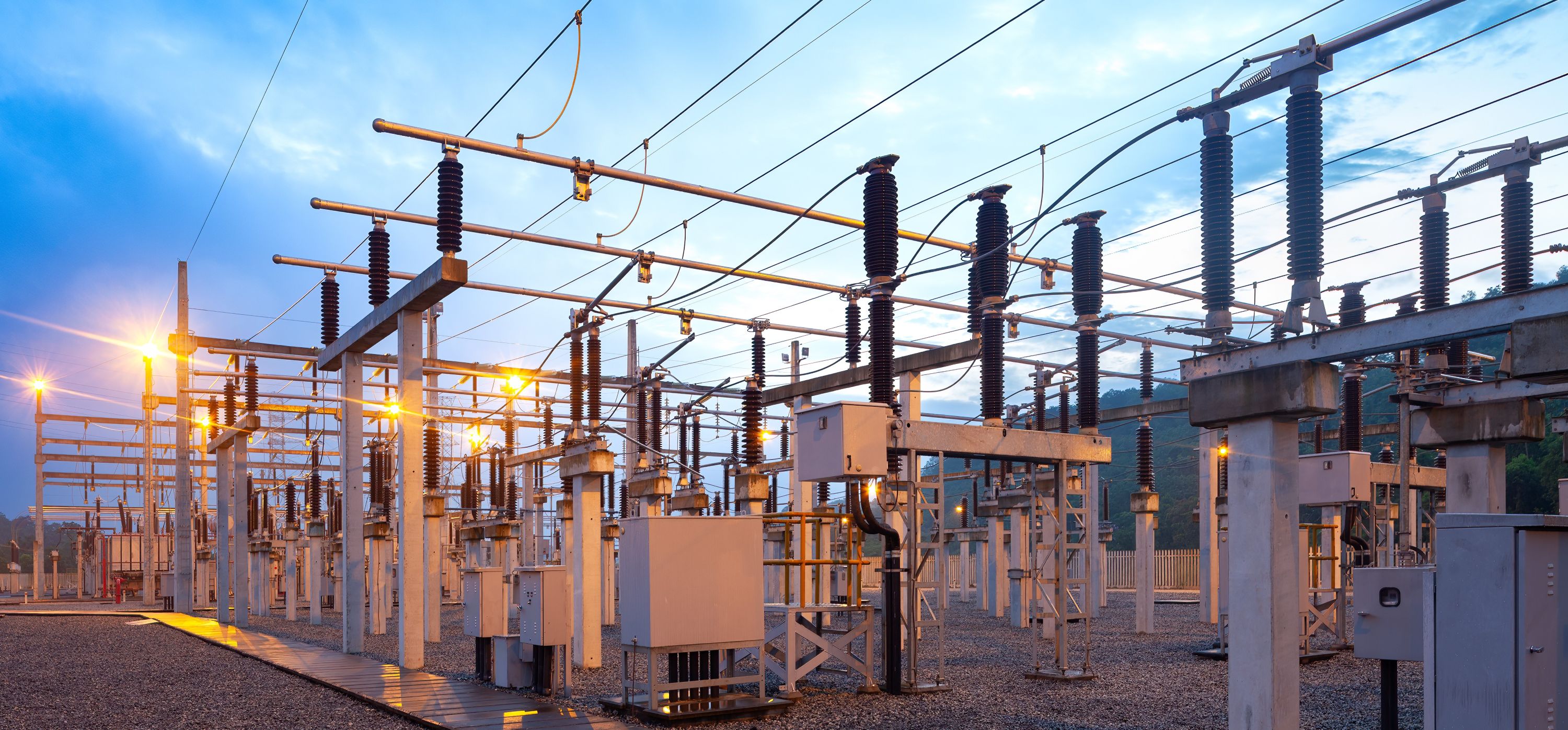
The future of the U.S. electric grid isn’t just about building new power plants or transmission lines; it’s about making the energy we already have go further. That means leveraging the untapped flexibility in our homes, buildings and businesses.
Across the country, companies are coordinating thousands of distributed energy technologies to support the grid. With the right software, these technologies can be pulled together to act like a traditional power plant during periods of peak demand. This is the core idea behind a Virtual Power Plant (VPP).
What Is a VPP
A Virtual Power Plant is not a single facility, but a software-driven platform that aggregates and manages distributed energy resources (DERs) to deliver grid services like peak load reduction, frequency regulation and backup capacity during extreme events.
Examples of DERs in a VPP include smart HVAC systems and thermostats, controlled water heaters and refrigeration, rooftop solar and onsite battery storage, and EV chargers with flexible charging schedules. Instead of ramping additional peaking generation, grid operators can shift or reduce electricity demand in real time using assets that already exist behind the meter.
Why VPPs Matter for Energy Efficiency
Virtual Power Plants transform energy efficiency and flexible demand into dependable grid resources. In practice, VPPs:
- Unlock efficiency and distributed energy sources to turn reduced load and smarter timing into real, dispatchable capacity.
- Lower costs for families and businesses by shaving peak demand and avoiding or right-sizing costly infrastructure upgrades.
- Enhance reliability and resilience by coordinating flexible loads during extreme conditions.
- Broaden participation by opening new ways for households, businesses and communities to share in the benefits.
The Alliance is working hard to advance VPP adoption across the country. Through the Innovation Policy Committee and the Active Efficiency Collaborative, ASE bring together utilities, technology providers, advocates, and policymakers to develop actionable recommendations and share program insights. These efforts are highlighted in the recently released 2025 VPP Annual Report.
Scaling the Vision: A Federal Opportunity
With the right policies, investment and education, VPPs can become a cornerstone of a modern, reliable, and inclusive energy system.
To move from pilots to mainstream, federal action can expand U.S. Department of Energy (DOE) VPP and grid modernization initiatives, and fund demonstrations that prioritize interoperability, cybersecurity, and customer engagement. This includes additional training for facilities managers and energy service companies (ESCO) on VPP design and operations, and supports the implementation of FERC Order 2222 to enable aggregated DER participation in wholesale markets.
Why VPPs Are a Win-Win
- Stronger Grid Reliability – VPPs respond rapidly to grid stress, supporting stability during extreme weather.
- Lower Infrastructure Costs – By reducing peaks, VPPs can help defer or right-size upgrades to substations and lines.
- Customer & System Savings – Aggregated load reduction can lower wholesale prices and deliver bill savings for participants.
- Operational & Community Benefits – Less reliance on additional peaking generation can reduce local operational impacts during high-stress periods.
- Accessibility & Participation – Households, small businesses, and community groups can participate and benefit through enrollments and incentives.
Smarter Use = Stronger Grid
Virtual Power Plants allow us to tap into flexibility that’s already in our buildings and homes—providing clean, fast, and affordable support for the power grid. Instead of expanding supply at all costs, we can coordinate demand intelligently.
Resources & Further Reading:
- DOE Grid Modernization & VPP Research
- NREL Grid Services from DERs Report
- FERC Demand Response Programs
- SEPA VPP Case Studies & Guidance
- RMI Demand Flexibility Primer
- ASE's 2025 VPP Annual Report
We’d love to hear from you:
Email Joe Robinson at jrobinson@ase.org if you're interested in getting involved:
- Do you have case studies or customer stories on VPPs we should feature?
- Are you developing comments or testimony on VPPs? We can provide ASE talking points and citations.
- Want to help shape national policy on VPPs? Join ASE’s Innovation Policy Committee email Joe with the subject “Interested in IPC” to receive the next meeting invite.


STAY EMPOWERED
TAKE ACTION
Help the Alliance advocate for policies to use energy more efficiently – supporting job creation, reduced emissions, and lower costs. Contact your member of Congress.
JOIN US
Energy efficiency is smart, nonpartisan, and practical. So are we. Our strength comes from an unparalleled group of Alliance Associates working collaboratively under the Alliance umbrella to pave the way for energy efficiency gains.
DONATE
The power of efficiency is in your hands. Supporting the Alliance means supporting a vision for using energy more productively to achieve economic growth, a cleaner environment, and greater energy security, affordability, and reliability.