
You are here
Weatherization Works: The Case for Protecting America’s Largest Residential Efficiency Program
Let's Save Energy
Alliance to Save Energy's Blog
Legislation:
- H.R. 1355, Weatherization Enhancement and Readiness Act (Tonko)
- S. 2570, Energy Savings and Weatherization Reauthorization Act (Coons)
- S. 1342, Weatherization Assistance Program Improvements Act (Reed)
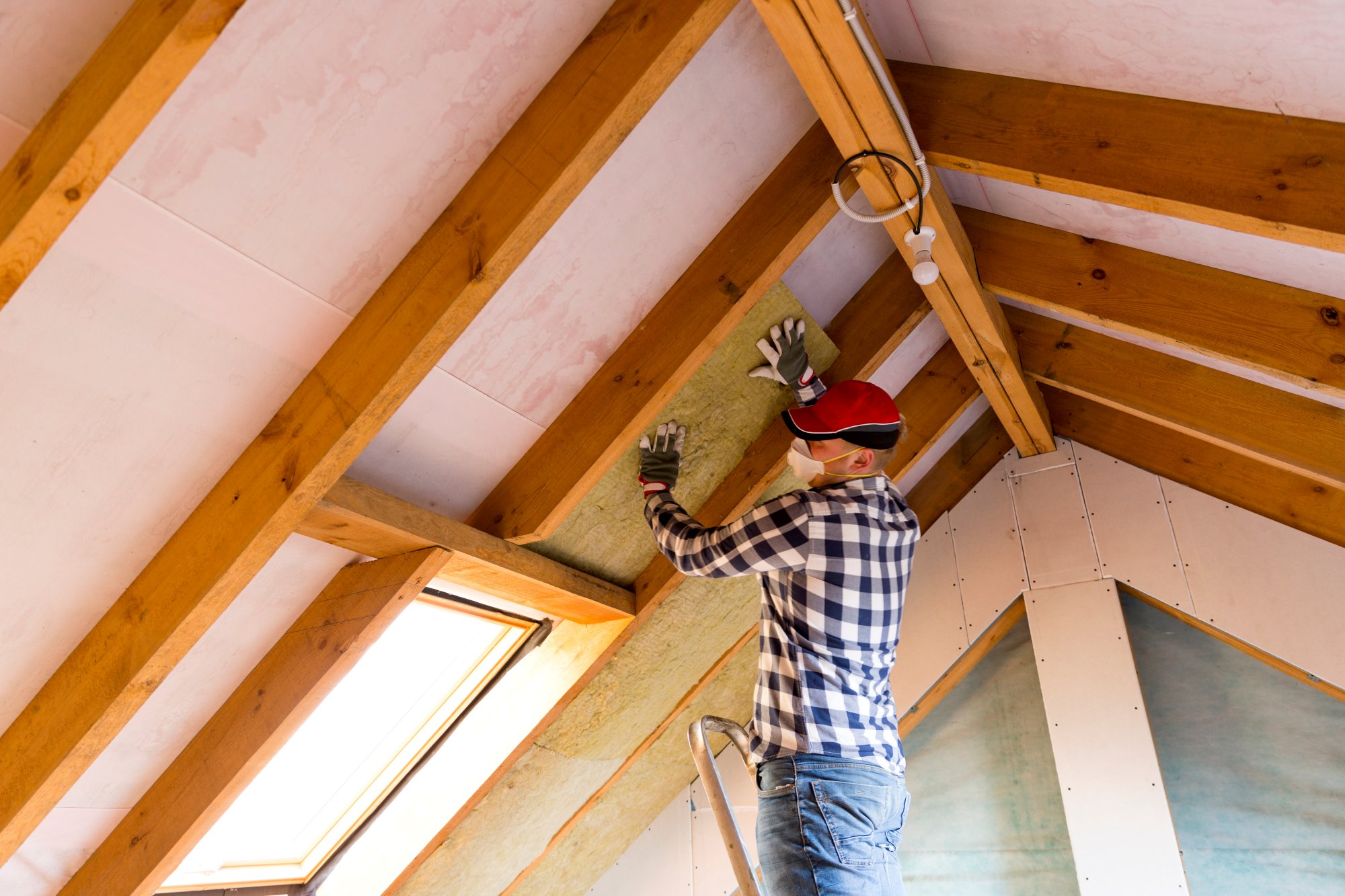
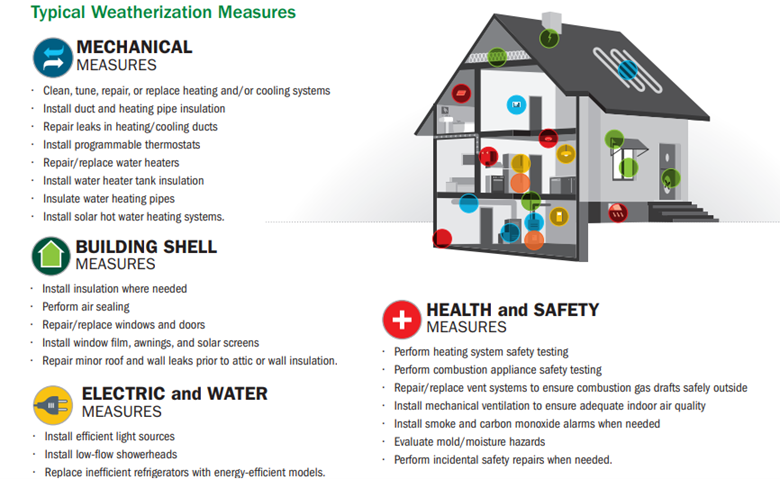
1. WAP is the nation’s largest residential energy efficiency programThe Weatherization Assistance Program provides grants to states, which then invest in low-income energy improvements like adding insulation where it’s needed, fixing or replacing heating and cooling equipment, and installing energy-efficient lighting. The average cost per unit nationwide is less than $4,700. Since 1976, WAP has helped over 7.4 million households reduce energy costs and improve home safety.
Image Source: U.S. Department of Energy
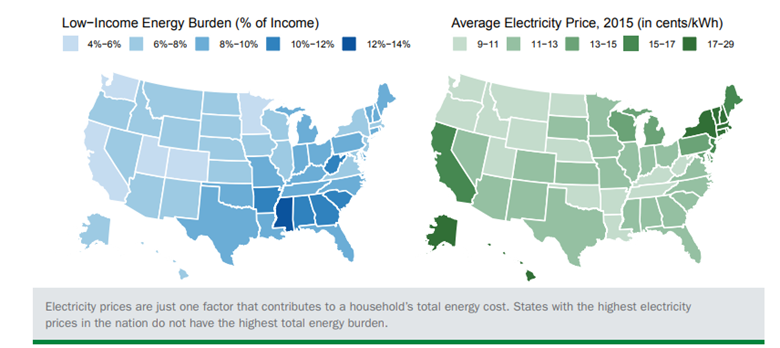
2. It targets those most in needWAP helps low-income households, especially those with seniors, children, or disabilities, reduce their energy burden and improve comfort. Both renters and homeowners qualify, easing the split-incentive problem where landlords control upgrades but tenants pay the bills. Since low-income families spend 3–5x more of their income on energy, WAP’s average $372 in annual savings makes a real difference.
Image Source: U.S. Department of Energy
3. WAP is a job creatorThe program supports 8,500 jobs annually, from energy auditors to contractors. Like most of the energy-industry--leading 2.4 million workers in the energy efficiency sector, these are local, family-supporting jobs that can’t be exported. In 2024, the median salary for an energy efficiency worker was $59,390, which is 20% higher than the national median of $49,500. |
|

4. It delivers big returns
For every $1 invested by the U.S. Department of Energy, WAP generates $1.72 in energy savings and $2.78 in non-energy benefits, including improved health. After weatherization, families live in homes that are safer, healthier, and more comfortable. Recipients experience fewer missed days of work due to illness or medical appointments and save an average of $514 in out-of-pocket healthcare costs. In total, the health and household-related benefits of weatherization average $14,148 per home.
5. WAP is part of a bigger picture
Programs like Weatherization Assistance show that energy efficiency isn’t just about codes and standards—it’s about affordability and helping families thrive. WAP is a quiet powerhouse. It doesn’t make headlines, but it’s been transforming lives for nearly 50 years. It helps families who are choosing between heating and groceries, or medicine and electricity. It makes homes warmer in winter, cooler in summer, and safer year-round. So yes, codes and standards matter. But energy efficiency is also about people—about making sure every American can live in a home that’s affordable, healthy, and resilient.
That’s the promise of weatherization. And it’s why we need to keep investing in it.
STAY EMPOWERED
Help the Alliance advocate for policies to use energy more efficiently – supporting job creation, reduced emissions, and lower costs. Contact your member of Congress.
Energy efficiency is smart, nonpartisan, and practical. So are we. Our strength comes from an unparalleled group of Alliance Associates working collaboratively under the Alliance umbrella to pave the way for energy efficiency gains.
The power of efficiency is in your hands. Supporting the Alliance means supporting a vision for using energy more productively to achieve economic growth, a cleaner environment, and greater energy security, affordability, and reliability.