
You are here
What the New IRS Guidance Means for Energy Efficiency Tax Incentives
Let's Save Energy
Alliance to Save Energy's Blog
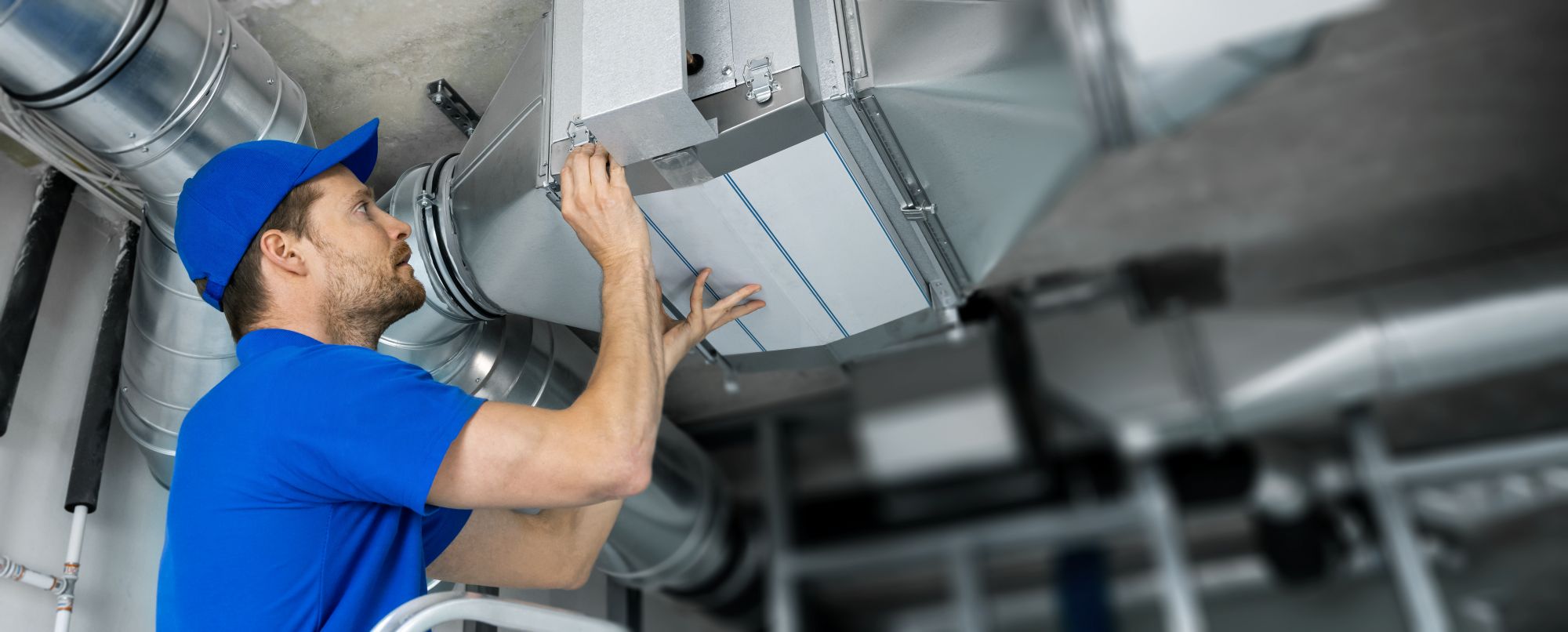
As the IRS continues to roll out its latest guidance under the One Big Beautiful Bill (OBBB), many in the energy efficiency community are asking the same question: What does this mean for incentives that help homeowners, builders, and businesses cut energy waste and lower costs?
The IRS has now published new FAQs (FS-2025-05) to clarify how key tax provisions are winding down. While updates like this can feel technical, they matter because they shape how quickly homeowners, developers, and building owners can take advantage of federal energy efficiency benefits before they expire.
The Alliance to Save Energy team has been pouring through the guidance and is providing the efficiency community with this interpretation of the new policies. Given the value that these and other policies have in leveraging private-sector investment, we are working to encourage more favorable policies in both future legislation and in regulatory interpretation. Rest assured that we will be fighting to preserve bipartisan support for these all-fuel efficiency policies. For more information on how you can support these efforts, contact Alexia Jordan at AJordan@ase.org.
Now, let’s break down what you need to know.
Key Takeaways at a Glance
-
Section 25C – Energy Efficient Home Improvement Credit
Available through the end of 2025. After December 31, 2025, improvements like better insulation, efficient doors and windows, and qualified HVAC will no longer be eligible for this credit. -
Section 45L – New Energy Efficient Home Credit
Builders and developers can continue to claim this incentive for new high-efficiency homes placed in service before July 1, 2026. -
Section 179D – Deduction for Energy Efficient Commercial Buildings
Still accessible for projects that begin construction by June 30, 2026. After that date, the deduction ends for new projects.
Why This Matters
Energy efficiency has always been the “first fuel” — the most cost-effective way to lower bills, enhance reliability and reduce environmental impact no matter what energy source powers your home or business. These federal tax credits and deductions have encouraged everything from high-performance new housing to triple-pane windows to efficient lighting in office towers.
With the IRS confirming accelerated deadlines, there is now a fixed window to take advantage of these incentives. For example:
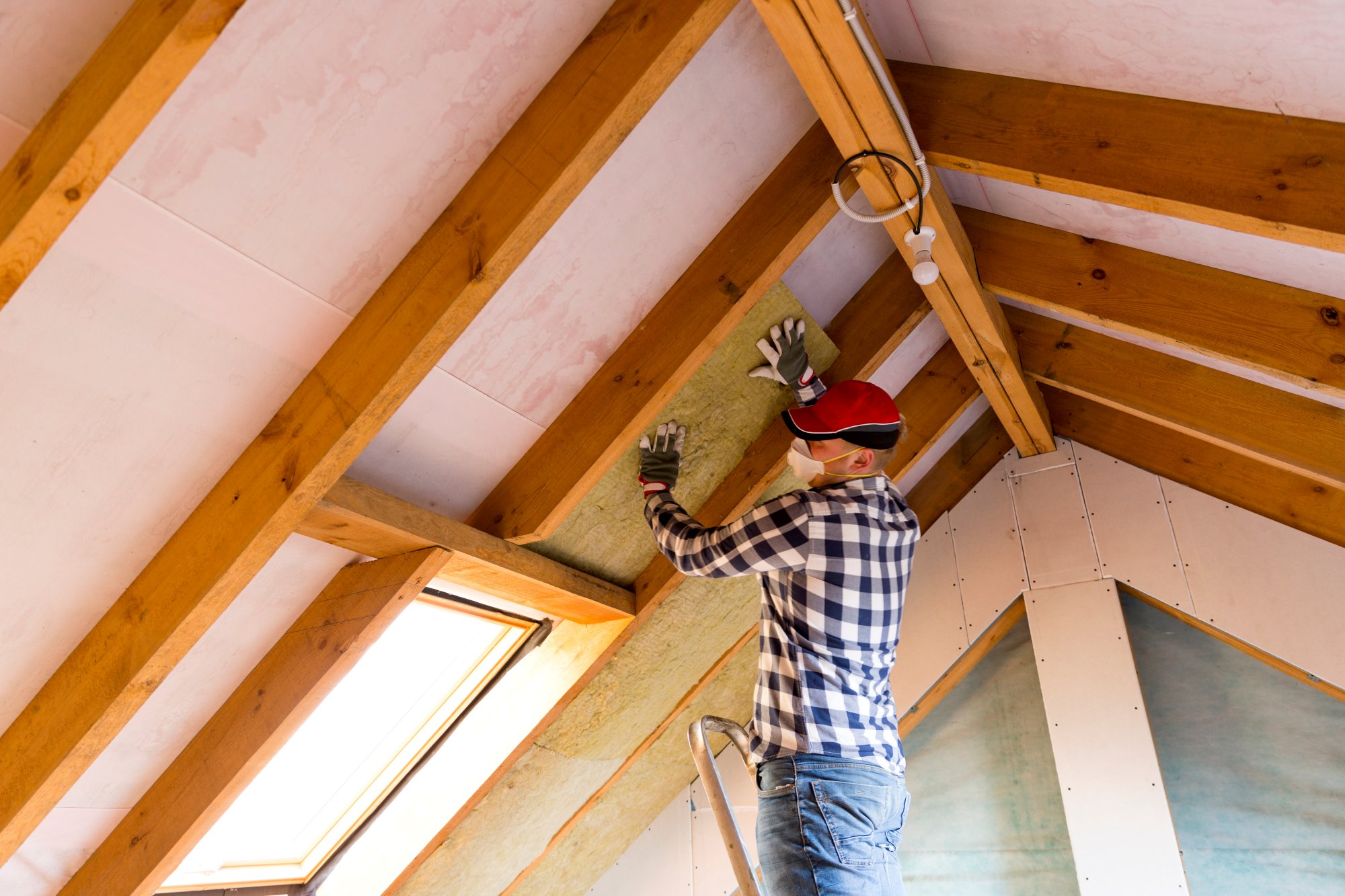
- A homeowner considering a new heat pump or insulation upgrade will need to complete the project by the end of 2025 to qualify for 25C.
- A builder planning a community of high-performance homes will need to place homes in service before July 2026.
- A commercial building owner weighing lighting retrofits or major system upgrades needs to begin construction by mid-2026 to secure the 179D deduction.
These are not distant deadlines. In fact, given planning and permitting timelines, anyone considering projects over the next 18–24 months needs to move deliberately now.
Understanding the IRS FAQ Approach
Another important detail from FS-2025-05: the IRS suggests that FAQs will be its primary method of releasing quick clarifications going forward, rather than waiting for slower and lengthier formal notices.
For taxpayers, that means the rules may continue to evolve in real time. Projects already in motion should carefully document compliance with the latest FAQ updates. While FAQs do not carry the same legal authority as official bulletins, the IRS confirmed that good faith reliance on them will generally protect a taxpayer from penalties.
Section 25C: Energy Efficient Home Improvement Credit
- Deadline: Property must be placed in service by December 31, 2025 to qualify.
-
What's New:
- “Placed in service” is now the strict requirement — you must complete installation (not just pay or sign a contract) by the deadline.
- Manufacturers no longer have to submit periodic written reports to the IRS; however, they still need to register for their products to be eligible.
- Qualifying improvements include insulation, exterior windows/doors, and heating/cooling systems meeting specific efficiency standards.
-
Must Know:
- If installation is completed after the deadline, the credit won’t be allowed — even if you paid before the cutoff.
Section 45L: New Energy Efficient Home Credit
- Deadline: Qualified new energy efficient homes must be acquired (ownership transferred) by June 30, 2026.
-
What's New:
- Applies to both single-family and multifamily homes.
- Definition of “acquired” — legal title must transfer by the deadline (not based solely on signed contract).
-
Must Know:
- After June 2026, no credit for new homes
Section 179D: Energy Efficient Commercial Buildings Deduction
- Deadline: Construction must begin before June 30, 2026; projects starting after this date do not qualify.
-
What's New for 2025:
-
Inflation-adjusted deduction amounts:
- Base deduction: $0.58/sq ft (can increase, max $1.16/sq ft, based on performance).
- For projects meeting prevailing wage/apprenticeship: starts at $2.90/sq ft, maxes at $5.81/sq ft.
- Calculations now incrementally increase for each % of energy savings above 25% (max at 50% improvement).
-
Inflation-adjusted deduction amounts:
-
Must Know:
- To qualify, construction must start before the mid-2026 cutoff, not just designed or planned.
- Enhanced deductions exist for projects meeting federal labor standards, so factor this into project budgeting.
Quick Reference Table
Credit/Deduction |
Eligibility Requirement |
Final Deadline |
Key Update |
|---|---|---|---|
|
25C |
Placed in service |
Dec 31, 2025 |
Strict install-by date; no more IRS reports |
|
45L |
Acquired (ownership transferred) |
June 30, 2026 |
Applies at closing date, both single + multi-family |
|
Begin construction |
June 30, 2026 |
Higher max deduction, incremental increase |
What Comes Next
This clarity is both a challenge and an opportunity. On one hand, the accelerated timelines shorten the horizon for those who want to benefit from federal energy efficiency tax policy. On the other, the updated guidance gives households, businesses, and developers certainty about what to expect — and the chance to act quickly.
Looking ahead, it’s worth remembering that energy efficiency consistently earns bipartisan support at the state and federal level, even as broader energy policy debates shift. These incentives represent practical, dollars-and-cents ways to reduce energy waste in buildings, strengthen housing affordability, and improve resilience — values that cross political and fuel divides.
Call to Action
If you are a homeowner, builder, architect, or facility manager, now is the time to:
- Evaluate upcoming projects — see if advancing them before 2026 makes sense.
- Talk to your tax advisors and contractors early — some credits are tied to “placed in service” or “construction start” dates that require real foresight.
- Stay informed — as the IRS continues to release FAQs, guidance may evolve. Bookmark the IRS efficiency tax provisions page and check back for updates. Everyone: Monitor the IRS FAQ portal regularly—this is now the fastest way IRS will update rules, and changes may occur without official bulletins.
Let’s act together — smart investments in energy efficiency will ensure lower utility bills and keep energy affordable.
ABOUT THE ALLIANCE TO SAVE ENERGY
The Alliance to Save Energy is a leading nonprofit, bipartisan coalition of manufacturers, utilities, technology companies, environmental advocates, and governmental leaders who are committed to advancing the role of energy efficiency in U.S. energy policy, and valuing its contribution to energy affordability, grid reliability, emissions reductions, and energy security.
STAY EMPOWERED
Help the Alliance advocate for policies to use energy more efficiently – supporting job creation, reduced emissions, and lower costs. Contact your member of Congress.
Energy efficiency is smart, nonpartisan, and practical. So are we. Our strength comes from an unparalleled group of Alliance Associates working collaboratively under the Alliance umbrella to pave the way for energy efficiency gains.
The power of efficiency is in your hands. Supporting the Alliance means supporting a vision for using energy more productively to achieve economic growth, a cleaner environment, and greater energy security, affordability, and reliability.